 ADVERT

 ADVERThttps://youtu.be/Sny2O4mVqxU?feature=shared
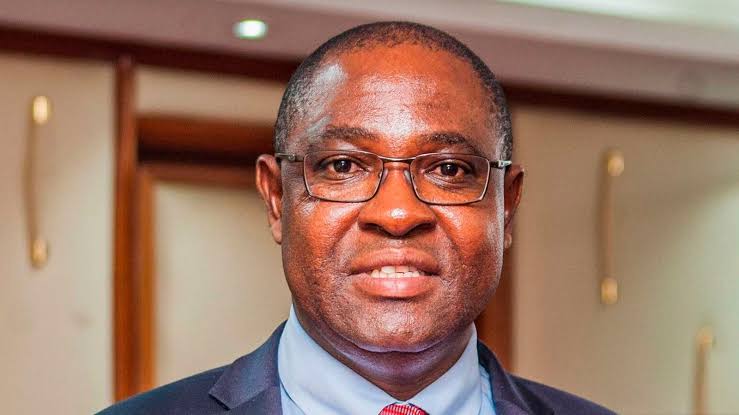
Kenya stands at an important point in its national development. The country is considering nuclear energy not simply as another source of electricity but as a foundation for industrial growth technological independence and long term economic transformation. The argument advanced by Nuclear Power and Energy Agency Chief Executive Justus Wabuyabo drawing on South Korea’s experience deserves serious public attention. South Korea began its nuclear journey in the 1970s with limited natural energy resources and less capital than Kenya has today yet it used nuclear power as a deliberate instrument of national capability building. Kenya should learn from that example but it must do so with clear thinking strong institutions public trust and a commitment to ownership rather than dependence.
The central lesson from South Korea is not that every country should build nuclear plants. It is that a country can use a complex technology as a means to develop its people institutions and industries. South Korea did not treat nuclear energy as a finished product to be purchased and forgotten. It treated it as a national learning project. It imported initial technology but it insisted on local capacity building engineering adaptation and progressive domestic innovation. Over time it moved from being a consumer of foreign technology to being a creator and exporter of nuclear technology. That transformation did not happen by accident. It was the result of patient planning disciplined implementation and a national decision to invest in knowledge.
Kenya’s proposed nuclear programme should therefore be judged by more than the question of whether it can produce electricity. Electricity is important but it is not the whole purpose. A nuclear programme can help Kenya develop engineers scientists regulators project managers technicians and industrial suppliers. It can strengthen universities research institutions technical colleges and professional bodies. It can create a culture of precision safety accountability and long term planning. These are valuable national assets even beyond the energy sector. If Kenya approaches nuclear power only as a procurement exercise it may obtain a plant but miss the larger opportunity to build a durable technological base.
The distinction between buying power and building capability is essential. Buying power means contracting a foreign company to design construct operate and maintain a facility while Kenyans remain largely spectators. Building capability means ensuring that Kenyans participate meaningfully at every stage: planning regulation construction operation maintenance safety management research and eventual expansion. It means requiring technology transfer in practical terms not merely in documents. Kenyan engineers should understand the systems they operate. Kenyan regulators should be able to assess risks independently. Kenyan institutions should be able to train the next generation without permanent reliance on foreign expertise. This is the deeper meaning of sovereignty in a technological age.
Kenya already has reasons to take this path seriously. The country has a growing population expanding urban centres increasing industrial ambitions and a need for dependable electricity to support manufacturing and services. Renewable energy has served Kenya well especially in electricity generation but a modern economy also needs stable and reliable supply that can support heavy industry data infrastructure health services irrigation and large scale production. Nuclear energy is attractive because it can provide continuous electricity and reduce vulnerability to climate related disruptions including droughts that affect hydropower. The proposed plant in Siaya County is therefore not only an energy project; it is part of a wider discussion about how Kenya will power its future economy.
 ADVERT
At the same time nuclear energy is not a simple solution. It is a demanding undertaking that requires exceptional governance. A country cannot approach nuclear power casually. It must have strong laws independent regulation qualified personnel emergency preparedness transparent procurement environmental safeguards and sustained public participation. The technology may be advanced but institutions remain decisive. A modern reactor with passive safety systems is only as trustworthy as the regulatory system and operating culture surrounding it. Kenya must therefore invest as much in governance as it does in concrete steel turbines and reactors.
Public trust must be treated as a central part of the programme. Nuclear energy often creates anxiety because people associate it with risk secrecy and high stakes. These concerns are understandable. They should not be dismissed by officials who believe that technical expertise alone should settle public debate. Communities near proposed sites especially in Siaya must receive clear information about safety land water employment compensation emergency planning waste management and long term benefits. Public participation should not be reduced to meetings held after major decisions have already been made. It should begin early continue throughout the project and genuinely influence implementation. A nuclear programme that lacks public confidence will face resistance delay and political instability.
Kenya should also be honest about cost and financing. Nuclear power requires substantial upfront investment long construction periods specialised skills and careful financial management. These realities should not be hidden behind optimistic promises. The country must ensure that contracts are competitive transparent and structured to protect taxpayers. It must avoid excessive debt inflated costs weak oversight and dependency on a single foreign supplier. The best way to protect the public interest is through open procurement independent scrutiny parliamentary oversight and clear disclosure of obligations. A project of this scale should be accountable to citizens not only to government agencies and international partners.
The proposed research reactor at Konza Technopolis can play an important role in preparing Kenya for this responsibility. A research reactor can support training scientific research medical applications agricultural research and industrial testing. It can also help produce medical isotopes used in diagnosis and treatment reducing reliance on imported services and specialised facilities abroad. More importantly it can help Kenya develop the human capital and institutional experience needed before operating a large power reactor. It can position Kenya as a regional centre for nuclear science provided that access is broad transparent and oriented toward public benefit. Kenya should not view such infrastructure as prestige. It should view it as a practical tool for education innovation and national readiness.
Education must become the backbone of the nuclear programme. Kenya cannot build a credible nuclear sector if it depends permanently on foreign universities foreign trainers and foreign technicians. The country should expand nuclear engineering physics materials science radiation protection environmental science and energy policy in its universities. Technical and vocational institutions should train welders electricians instrument technicians safety officers and maintenance specialists to recognised international standards. Scholarships internships research partnerships and structured apprenticeships should connect students directly to the nuclear programme. A country that educates its people for a major technological undertaking is investing in its own future.
The private sector also has an important role. Kenyan companies should be prepared to supply services components construction support transport security environmental monitoring and maintenance where they meet the required standards. Government should not assume that local participation will emerge automatically. It should identify capability gaps early support certification and quality assurance and create fair opportunities for Kenyan firms to grow. Local content should not mean lowering standards. It should mean raising Kenyan capacity until it can meet the highest standards required by a nuclear project. This approach can strengthen manufacturing engineering logistics and professional services across the economy.
Regional leadership is another important theme. Kenya has an opportunity to become a centre of nuclear knowledge in East Africa but leadership must be earned through competence and cooperation. Kenya can share training regulatory experience research capacity and technical services with neighbouring countries. This would strengthen regional energy security and scientific cooperation. However Kenya should avoid treating nuclear power as a symbol of regional superiority. Its value will lie in whether it helps solve real problems: unreliable power limited industrial capacity weak research infrastructure and shortage of specialised skills. Leadership should mean service not status.
The South Korean example also teaches the importance of continuity. Nuclear programmes take decades to mature. They cannot depend on the enthusiasm of one government one minister or one chief executive. Kenya needs a long term national framework that survives changes in political leadership. Parliament the energy ministry regulators universities industry and county governments should share a common understanding of the programme’s goals safeguards and responsibilities. Political consensus is especially important because nuclear decisions affect future generations. A project begun by one administration should not be abandoned by the next without a transparent review based on evidence and national interest.
Kenya must also connect nuclear energy to employment and local development. A nuclear plant can create jobs during construction and operation but the quality and durability of those jobs matter. Kenya should plan for local hiring skills development supplier participation and fair opportunities for residents of host communities. It should also ensure that benefits do not remain concentrated among a few contractors or political actors. Local content policies should be realistic enforceable and linked to genuine capability building. The goal should be to leave behind a stronger workforce and industrial base not merely a completed structure.
Land livelihoods and community consent require particular care. Where land is needed affected people must be treated fairly and promptly. Compensation should be transparent adequate and based on clear criteria. Where resettlement is unavoidable it should follow a comprehensive plan that protects housing income social networks access to services and cultural ties. Residents should not be asked to bear the burdens of a national project while others receive the benefits. A fair and predictable process for land compensation and livelihood restoration is not an obstacle to development; it is a condition of legitimate development.
Safety and environmental responsibility must remain non negotiable. Kenya should adopt international standards cooperate fully with global nuclear institutions and maintain independent domestic regulation. It should be open about waste management emergency response radiation protection and plant security. The public should not be asked to accept assurances without evidence. Regular reporting independent audits accessible information and clear channels for community concerns will strengthen confidence. Nuclear energy can be safe but safety is not a claim; it is a continuous practice supported by institutions training and accountability.
The broader lesson is that Kenya should pursue nuclear power with ambition but not with impatience. Ambition without preparation creates risk. Preparation without ambition produces stagnation. Kenya needs both. It needs the confidence to believe that it can master advanced technology and the humility to recognise that mastery requires time discipline and investment. South Korea’s achievement was not simply that it built reactors. It built a system: educated people capable firms strong institutions reliable regulation and a long term national purpose. That is the model Kenya should study.
Ultimately Kenya’s nuclear debate should be about national direction. Does the country want to remain a consumer of imported technology or does it want to become a producer of knowledge and industrial capacity? Does it want electricity alone or does it want the institutions and skills that come with a serious technological programme? Nuclear energy can support Kenya’s development but only if it is pursued as a national project rooted in transparency competence public trust and local ownership. If Kenya gets this right it will not merely add a power plant to its grid. It will strengthen its capacity to shape its own economic future.
Photo courtesy: NuPEA Chief Executive Justus Wabuyabo.