 ADVERT
By Sharon Onyango | May 7, 2026
For decades, Tuberculosis (TB) has remained one of Kenya’s deadliest silent killers, spreading quietly through communities while escaping early detection. In many cases, patients fail to exhibit the hallmark symptom of a persistent cough, allowing the disease to progress unnoticed and increasing the risk of transmission.
Now, Siaya County is turning to Artificial Intelligence (AI) to change that narrative.
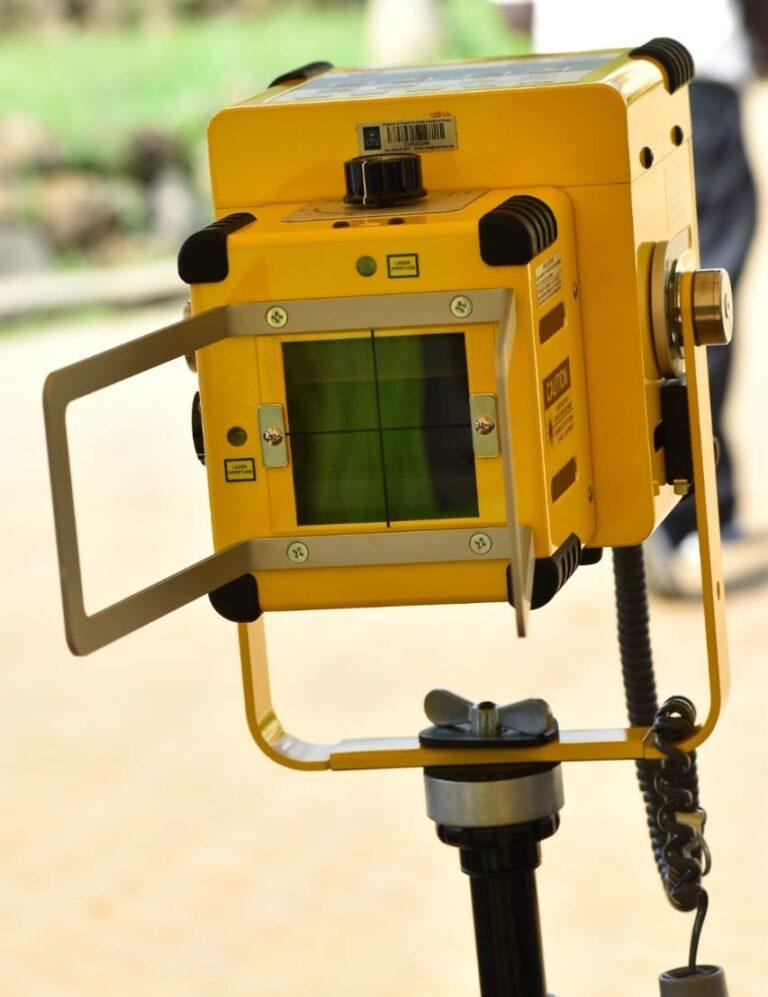
Health officials in the county have rolled out AI-powered ultraportable digital chest X-ray machines aimed at strengthening early TB detection, improving diagnosis accuracy, and expanding healthcare access to remote communities.
The innovation comes at a critical time for Siaya, where TB-HIV co-infection stands at 23 percent and overall TB prevalence ranges between 5 and 6 percent, placing immense pressure on both patients and frontline healthcare workers.
For years, the fight against TB in the county has been complicated by drug-resistant strains, low uptake of Tuberculosis Preventive Therapy (TPT), and chronic shortages in Human Resources for Health (HRH). In rural areas such as Ugunja, limited diagnostic capacity has also meant that other serious conditions, including lung cancer, were frequently misdiagnosed as TB or detected too late for effective treatment.
The newly introduced AI-enabled X-ray machines are expected to significantly transform this situation.
Unlike conventional radiology systems, the devices are lightweight, portable, and designed to reach underserved populations through established Primary Care Networks. Health workers can now carry screening services directly into villages, dramatically reducing delays in diagnosis and treatment initiation.
What makes the technology particularly groundbreaking is its embedded AI software, which can rapidly analyse chest scans and identify signs of TB and other lung diseases, even among patients who show no visible symptoms.
Medical experts say the ability to detect asymptomatic cases early could become a game changer in controlling transmission and reducing TB-related deaths.
“The disease may remain silent, but diagnosis is becoming faster, clearer, and more accessible,” health officials noted during the rollout.
The system is also integrated with the Electronic Community Health Information System (eCHIS), allowing results to be recorded and shared instantly. This real-time data sharing enables faster referrals, quicker clinical decisions, and improved patient tracking.
In a move aimed at strengthening integrated healthcare delivery, TB screening services are now being linked with Antenatal Care (ANC) and Prevention of Mother-to-Child Transmission (PMTCT) programmes, ensuring vulnerable mothers and infants receive comprehensive care.
Despite ongoing workforce shortages in the health sector, county officials believe the AI technology is helping bridge critical gaps by improving efficiency and extending the reach of limited healthcare personnel.
Under the Healthcare Financing (HCF) 2026–2030 roadmap, success in TB management is increasingly being measured through early diagnosis, coordinated patient care, and complete follow-up — areas where digital technology is now playing a central role.
Public health experts say Siaya’s adoption of AI-assisted TB screening could serve as a model for other counties battling infectious diseases amid limited resources.
As Kenya intensifies efforts to eliminate TB, Siaya’s bold embrace of artificial intelligence signals a future where even silent diseases may no longer go unnoticed.



