 ADVERT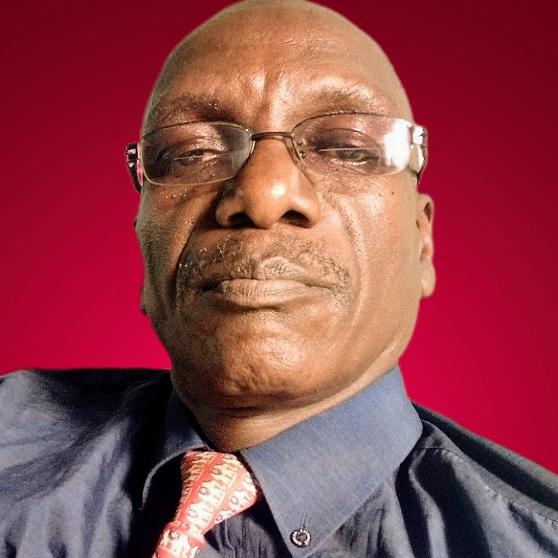
 ADVERT
In the unfolding contest for Siaya’s 2027 gubernatorial seat, Engineer Nicholas Odero Gumbo—widely known as Wajonya—is not just another contender. He is steadily emerging as a political force whose influence, supporters say, carries unusual “weight”—both figuratively and, as his nickname suggests, electorally.
Yet beyond the growing narrative of dominance lies a more layered story: one of political independence, institutional experience, grassroots entrenchment, and a career shaped as much by resistance as by reinvention.
Siaya County has long been regarded as a stronghold of ODM politics, closely associated with the influence of Raila Odinga. Within this context, Gumbo’s political journey stands out.
Over the years, he has cultivated a reputation—among both supporters and critics—as a politician willing to chart his own path, occasionally diverging from dominant party lines. Allies frame this as courage and principle; detractors sometimes interpret it as unpredictability. Either way, it has cemented his image as an independent-minded actor in an otherwise highly aligned political environment.
His recent re-engagement with ODM is therefore being read not as submission, but as a strategic recalibration—one that allows him to retain his autonomy while reconnecting with a powerful political base of which he was a founder member.
 ADVERT
Gumbo’s supporters frequently point to his tenure in key national institutions as evidence of administrative competence. He has previously served in leadership roles at the Kenyatta National Hospital Board and the Kenya Sugar Board—positions that placed him at the center of complex public-sector challenges.
These roles came with high expectations and intense scrutiny, particularly given the strategic importance of healthcare and the sugar sector to Kenya’s economy. Associates argue that his appointments reflected professional merit and technical expertise, while critics note that such positions are rarely insulated from broader political dynamics.
What remains clear is that these experiences expanded Gumbo’s governance profile beyond constituency politics, giving him exposure to national policy, institutional reform, and stakeholder management.
Perhaps Gumbo’s most formidable asset lies not in Nairobi boardrooms but in the villages and market centers of Siaya.
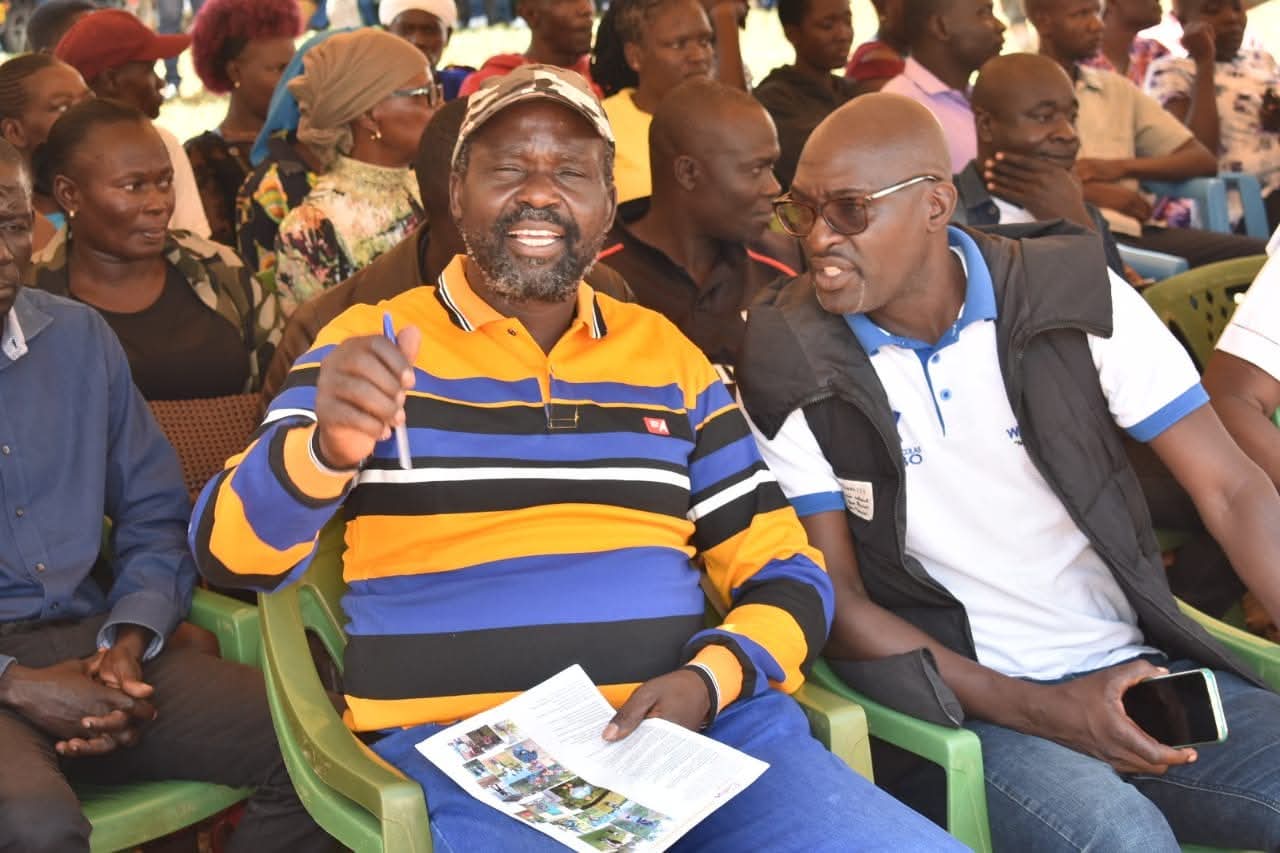
Across the county, his grassroots networks are described as deep, active, and remarkably loyal. Years of consistent engagement—through local meetings, development initiatives, and personal outreach—have turned him into a household name.
“He is everywhere,” said a trader in Ukwala. “You don’t just hear about him—you see him.”
It is here that his identity takes on a more personal dimension. To many, he is Chuor Adhiambo—a familiar, relatable figure whose social identity resonates with everyday life. To others, he is simply accessible: a leader who listens, shows up, and speaks plainly.
To teens on social media he’s that member of the Nomiya church with a crazy dance style.
Nicknames in Kenyan politics often carry deeper meaning, and Wajonya—loosely interpreted by supporters as “one whose weight cannot be ignored”—has become symbolic of Gumbo’s perceived political gravity.
Combined with his reputation as a compelling orator, this persona has helped him bridge generational and social divides. His rallies are often marked by direct language, local idioms, and a style that blends technical knowledge with cultural fluency.
This dual appeal—professional and personal—has made him a unique figure in the race: both technocrat and grassroots mobilizer.
Within his camp, confidence is high. Claims of overwhelming early support continue to circulate, fueled by visible turnout at events and growing digital engagement.
However, as with many early-stage political projections, independent verification remains limited. Analysts caution that electoral landscapes can shift rapidly, especially as new candidates enter the race and alliances evolve.
“Perception is powerful,” says a regional political analyst. “But elections are ultimately decided by organization, turnout, and timing—not just narrative.”
While Gumbo’s momentum is evident, the broader field remains fluid. Potential challengers are recalibrating strategies, consolidating bases, and navigating internal dynamics that could reshape the race.
Local political tensions, leadership disputes, and shifting loyalties continue to add layers of unpredictability. In such an environment, early frontrunners must not only build support—but sustain it.
Engineer Nicholas Gumbo’s trajectory toward 2027 reflects more than ambition—it reflects a carefully constructed political identity: independent yet strategic, experienced yet accessible, and deeply rooted in grassroots networks.
Whether this combination translates into a decisive electoral victory remains to be seen.
For now, one thing is certain: in Siaya’s evolving political story, Wajonya is no longer just part of the conversation—he is shaping it.
The narrative of an impending landslide may still be premature. But the convergence of grassroots strength, institutional experience, and a distinct political persona has positioned Gumbo as a central figure in the race.
In a county where loyalty, identity, and performance intersect, the coming months will test whether his “weight” can indeed carry him all the way to victory.


