 ADVERT
 ADVERT
Several people are feared dead and scores injured after a powerful 7.1-magnitude earthquake struck southern Japan on Tuesday, triggering widespread destruction, a deadly explosion at a shopping mall, and a brief tsunami warning.
The powerful tremor rocked Kumamoto Prefecture on the island of Kyushu, toppling buildings, sparking fires, disrupting transport networks, and knocking out electricity to tens of thousands of households. Emergency responders have been deployed across the region as rescue operations continue amid fears that the death toll could rise.
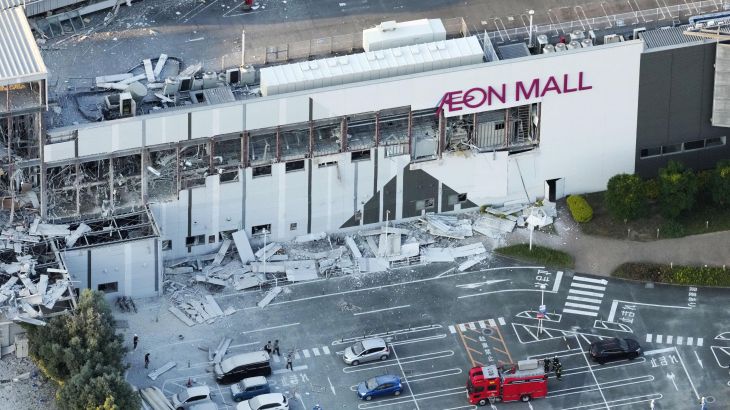
One of the worst-hit sites was a shopping mall, where part of the structure collapsed before a powerful explosion tore through the building, trapping shoppers and workers beneath the rubble. Rescue teams worked through the day using heavy equipment and sniffer dogs to search for survivors, while hospitals struggled to cope with the influx of casualties.
Japanese authorities initially issued a tsunami warning for coastal communities bordering the Ariake and Yatsushiro seas, prompting thousands of residents to evacuate to higher ground. The warning was later lifted after officials determined that no major tsunami waves were expected, although residents were urged to remain cautious as strong aftershocks continued to shake the region.
Prime Minister Sanae Takaichi called for calm and urged citizens to follow evacuation orders and avoid damaged buildings, warning that additional powerful tremors could strike in the coming days. She assured the nation that the government was mobilising all available resources to support rescue efforts and provide emergency assistance to affected communities.
 ADVERT
The earthquake severely disrupted daily life across Kyushu. Bullet train services were suspended, flights delayed, highways damaged, and telecommunications temporarily interrupted. Several factories, including major automobile and semiconductor plants, halted production while engineers assessed structural safety.
Authorities also confirmed that nearby nuclear power facilities reported no abnormalities, easing fears of a nuclear emergency similar to the 2011 Fukushima disaster.
Japan, one of the world’s most earthquake-prone nations, sits along the Pacific Ring of Fire, where several tectonic plates meet. The country experiences thousands of earthquakes every year and has invested heavily in advanced building standards and disaster preparedness. Even so, powerful quakes continue to pose significant risks to lives, infrastructure, and the economy.
The latest disaster has revived memories of the devastating 2016 Kumamoto earthquakes, which killed dozens of people and caused billions of dollars in damage. As rescue crews continue combing through collapsed buildings, authorities have warned that the full extent of the destruction may not be known until search operations are completed.
With aftershocks still rattling the region, emergency officials have urged residents to remain vigilant, avoid unstable structures, and be prepared for further evacuations as Japan confronts yet another major natural disaster.



