 ADVERT
 ADVERT
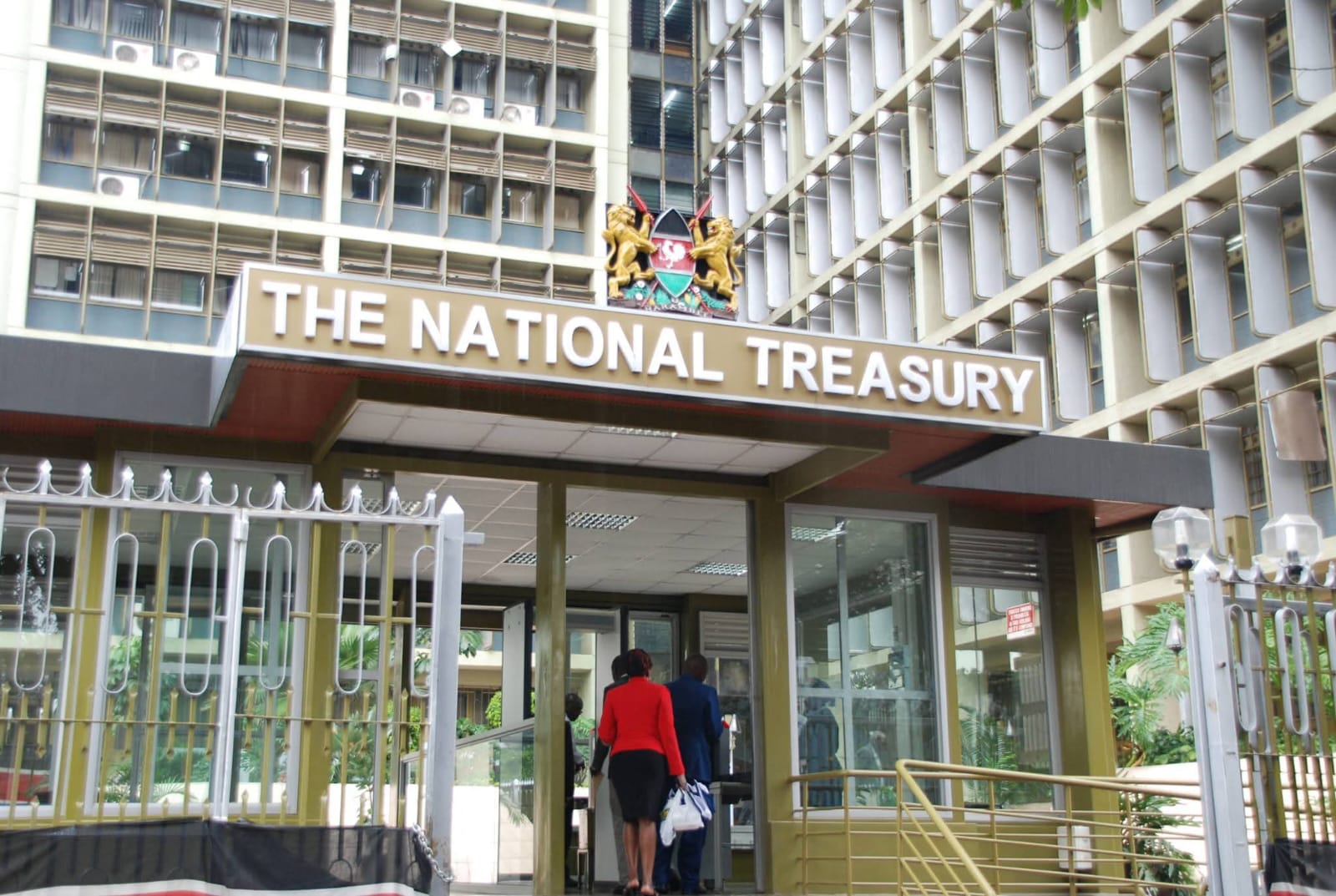
Nine suspects, including senior National Treasury officials and business owners, have been arrested over an alleged Sh1.57 billion fraud scandal involving a government programme meant to expand affordable financing for small-scale farmers.
The Ethics and Anti-Corruption Commission (EACC) has arrested nine people in connection with the alleged fraudulent disbursement of Sh1,569,582,338.20 from the National Treasury Development Account under the Rural Outreach of Financial Innovations and Technologies (PROFIT) Programme.
The arrests mark a significant escalation in an investigation into the alleged misuse of funds from the programme, which was implemented by the National Treasury with financial support from the International Fund for Agricultural Development (IFAD).
According to the EACC, investigators established that the money was subsequently channelled to 23 private entities—15 business names and eight companies—for goods and services that were allegedly never supplied.
The revelations raise uncomfortable questions about the safeguards surrounding public and donor-funded programmes, particularly those designed to benefit vulnerable rural communities.
 ADVERT
How the alleged Sh1.57bn scheme unfolded
The PROFIT Programme was established to help small-scale farmers access affordable financing and was implemented between the 2013/14 and 2023/24 financial years.
Instead of the money reaching its intended purpose, EACC alleges that programme officials used false and forged documents to account for funds.
Investigators also uncovered what the commission described as an unauthorised KCB bank account opened in the name of the PROFIT Programme.
The account allegedly received Sh175 million, which investigators say was subsequently laundered and embezzled, with a substantial portion withdrawn in cash. EACC also reported financial links between some programme officials and private entities that received funds.
The alleged scheme therefore extends beyond a simple procurement dispute. It points to questions over financial controls, accountability, procurement processes and possible collusion between public officials and private beneficiaries.
Treasury officials among nine arrested
The nine suspects include senior National Treasury officials and private-sector individuals.
They are John Ngure Kabutha, PROFIT Programme Coordinator; Namwel Moturi Motanya, Head of the Accounting Unit at the National Treasury; and John Maina Muriithi, a Senior Accountant at the Treasury.
Also arrested are business owners and company directors Gladys Juliet Oroni, Brian Kiprop Chepkarat, Ian Kwemoi Chepkarat, Josephat Kamau Kamoshe, James Omwodo Ndai and Jimmy Carter Odoyo Osodo.
The suspects face allegations including unlawful acquisition of public property, abuse of office, money laundering, acquisition of proceeds of crime and uttering false documents, among other offences.
Importantly, the allegations remain subject to due process, and the suspects are entitled to defend themselves in court.
DPP approves prosecution of 20
The investigation has a wider reach than the nine people already arrested.
EACC says it completed its investigations and forwarded the inquiry file to the Director of Public Prosecutions (DPP), who approved the prosecution of 20 public officials, companies and company directors.
The nine arrested suspects were expected to appear before the Milimani Law Courts on Wednesday, August 19, 2026. Meanwhile, EACC has ordered another 11 suspects to report to its Integrity Centre in Nairobi or the nearest EACC office for processing.
The second group includes PROFIT Programme Accountant Billy Otieno Obango, as well as several proprietors and directors of companies allegedly linked to the transactions under investigation.
The bigger question: where was accountability?
The case presents a familiar but deeply troubling question in Kenya’s public-finance landscape: how can billions of shillings pass through a government programme without effective controls detecting the alleged irregularities earlier?
The PROFIT Programme was not designed as a luxury government project. Its central purpose was to improve financial access for small-scale farmers and rural households.
That makes the alleged diversion particularly significant.
Every shilling lost through fraudulent procurement, fictitious supplies or manipulation of public accounts potentially represents a loan that was not extended, a farmer who was not financed, a rural enterprise that did not grow or a household that missed an opportunity to improve its livelihood.
The case therefore goes beyond the headline figure of Sh1.57 billion. It raises questions about whether Kenya’s elaborate public financial management architecture is capable of preventing fraud—or merely detecting it after enormous sums have already disappeared.
EACC turns to asset recovery
The anti-graft agency says prosecution will not be the end of the matter.
EACC has vowed to pursue the recovery and forfeiture of public funds and assets established to have been acquired through corrupt or unlawful means.
That could become one of the most consequential aspects of the investigation.
Successful prosecution may punish those found culpable, but recovering stolen public resources would provide a more tangible form of justice to taxpayers and the intended beneficiaries of the PROFIT Programme.
For the farmers the programme was created to support, the ultimate test will not be the number of arrests made or suspects charged. It will be whether public institutions can recover the money, close the loopholes that allegedly enabled its loss and ensure that future agricultural financing programmes actually deliver what they promise.
The arrests are therefore only the beginning.
The real test now lies with the courts, prosecutors and investigators to establish what happened to the Sh1.57 billion, who benefited, whether the alleged offences can be proved beyond reasonable doubt—and whether the public can ultimately recover its money.



