 ADVERT
 ADVERT
In the turbulent years of colonial Kenya, when suspicion and rebellion gripped the land, the fatal shooting of Ambrose Michael Ofafa sent shockwaves across communities and exposed the dangerous depths of divide-and-rule politics.
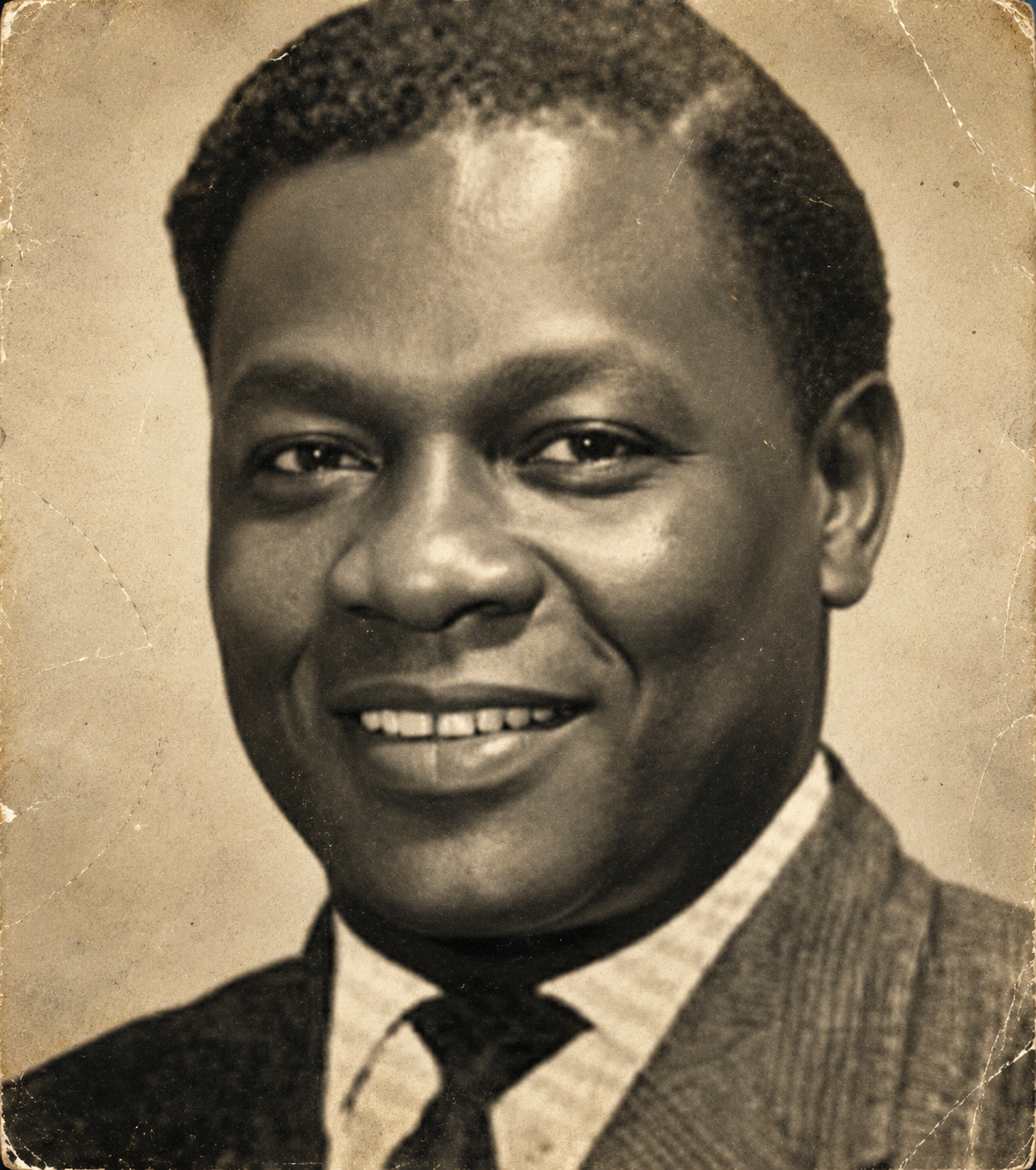
Ofafa, a prominent nationalist, trade unionist, and Nairobi City Councillor, was gunned down near the Nairobi City Stadium at the height of the Mau Mau uprising—an armed resistance against British colonial rule. He succumbed to his injuries on November 26, 1953, at the then King George VI Hospital.
But his death was more than a tragic loss; it became a flashpoint.
Colonial Propaganda and a Dangerous Narrative
In the immediate aftermath, the colonial administration seized on the killing to push a divisive narrative. Authorities claimed that the Kikuyu—widely associated with the Mau Mau movement—posed a grave threat to other communities, particularly the Luo. In a calculated move, they urged Luo residents in Nairobi to arm themselves and retaliate.
 ADVERT
The intent was clear: fracture African unity.
When news of the propaganda reached nationalist leader Jaramogi Oginga Odinga in Kisumu, he acted swiftly. Recognizing the colonial tactic as a dangerous ploy, Odinga travelled to Nairobi without delay.
Accompanied by Chief Daudi Owino of Kaloleni, he toured Luo settlements across the city, delivering a firm and urgent message: do not fall into the trap.
Instead of revenge, Odinga urged restraint and unity. He called on the community to honour Ofafa not through violence, but through legacy—by raising funds under the Luo Union to build a lasting memorial.
Birth of a Legacy: Ofafa Memorial Hall
That vision materialized in Kisumu with the construction of the Ofafa Memorial Hall—a symbol not of division, but of collective remembrance and resilience. It stood as a powerful rebuke to colonial manipulation and a testament to African solidarity.
Born in 1913 near the River Nzoia, at the border of present-day Kenya and Uganda, Ambrose Ofafa rose from humble beginnings to become a respected public figure. The firstborn in a family of nine, he was the son of Zakaria Oluta Ofafa and Marcela Onyaka.
Educated at Rang’ala Catholic Mission and St. Mary’s School, Yala, Ofafa trained as a teacher before transitioning into public service. His career spanned roles in the East African Railways and Harbours, Kenya Postal Services—where he became a postmaster—and later the East African Standard as an accountant.
A man of versatility, he also served as a military paymaster and ventured into business, establishing a shop in Nairobi’s Kariokor Market.
Ofafa’s leadership qualities earned him nomination by Governor Sir Philip Mitchell to represent African interests in the Nairobi City Council, alongside Tom Mbotela. As Chairman of the Finance, Staff and General Purposes Committee, he wielded significant influence in municipal affairs.
Nationally, he served as treasurer of the Kenya African Union (KAU), working alongside Jomo Kenyatta in the struggle for independence.
A Voice Against Violence
Despite his nationalist credentials, Ofafa was a vocal critic of the Mau Mau movement, advocating for political and constitutional approaches to change. His stance made him a target.
From his hospital bed, in his final moments, Ofafa made a poignant appeal: he urged the Luo community not to seek revenge against the Kikuyu. It was a final act of leadership—one that likely prevented bloodshed.
In recognition of his service, colonial authorities named a residential estate in Nairobi’s Eastlands after him—Ofafa. Today, the name endures as a geographical and historical marker.
His burial in Kalkada, Siaya County, drew massive crowds, underscoring the deep respect he commanded across communities.
Ambrose Ofafa’s story is not just a chapter in Kenya’s past—it is a lesson in restraint, unity, and leadership under pressure. At a time when division seemed inevitable, voices like his—and Odinga’s—helped steer the country away from ethnic conflict.
In death, Ofafa became more than a victim of political violence. He became a symbol of what Kenya could be: united, resilient, and conscious of the dangers of manipulation.
His legacy still speaks—if we choose to listen.


