 ADVERT
 ADVERT
By Sharon Onyango
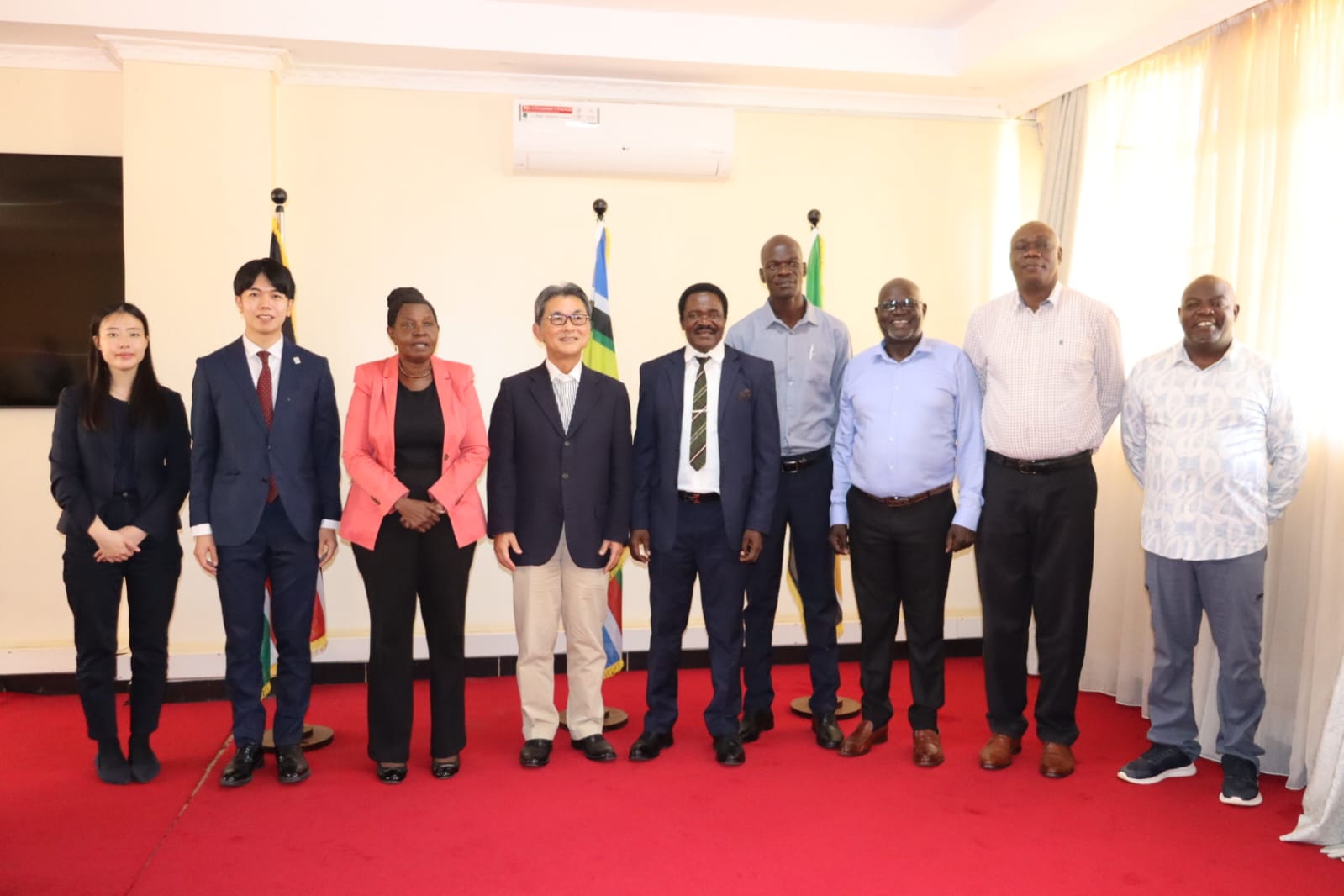
Siaya County has reaffirmed its position as a model for impactful international collaboration following a high-profile visit by Japanese Ambassador H.E. Hiroshi Matsuura, marking a significant milestone in the county’s long-standing partnership with Japan.
The visit underscored the growing influence of the Japan International Cooperation Agency (JICA) in transforming healthcare delivery, strengthening community systems, and driving sustainable development across Siaya.
The ambassador was received by Acting County Executive Committee Member (CECM) for Health Prof. Jacqueline Oduol, CECM for Governance, Administration and ICT Joseph Rading, and Director of Public Health Dr. Oruenjo, who collectively highlighted the far-reaching gains of the partnership.
Transforming Healthcare at the Frontline
 ADVERT
Prof. Oduol lauded JICA’s sustained investment in Siaya’s health sector, noting that targeted support in training, mentorship, and technical assistance has significantly strengthened the county’s healthcare workforce.
She emphasized that the partnership has enhanced the capacity of frontline health workers, enabling them to deliver more efficient, high-quality services across both urban and rural settings.
“Our collaboration with JICA continues to elevate healthcare standards by equipping our personnel with critical skills and knowledge necessary for effective service delivery,” she stated.
Community Health Systems Driving Change
Dr. Oruenjo spotlighted the success of the JICA Volunteer Programme, which has embedded skilled Japanese volunteers within local communities to work alongside healthcare providers.
The initiative has delivered measurable impact through strengthened community health systems, improved disease prevention strategies, and enhanced public health awareness. Community health workers have particularly benefited from capacity-building efforts, allowing them to better engage households and promote preventive care.
These grassroots interventions are increasingly positioning community health as the backbone of Siaya’s healthcare model.
Intensifying the Fight Against Malaria
Malaria prevention remains a central pillar of the Siaya–JICA collaboration. Through sustained community education and behaviour change campaigns, the partnership has helped reduce the disease burden in vulnerable populations.
Health officials note that the focus on prevention, early intervention, and community sensitization is yielding positive outcomes, reinforcing the shift toward proactive healthcare solutions.
Integrated Development Beyond Health
Beyond healthcare, the partnership reflects a broader, integrated approach to development. Key projects such as the Karadolo Water Supply Project are improving access to clean water, directly impacting public health and livelihoods.
Equally notable is a probation rehabilitation initiative in Bondo targeting minors released from correctional facilities. The programme promotes social reintegration, mental well-being, and positive youth development—an approach that is contributing to safer and more cohesive communities.
A Model for Sustainable Partnerships
Prof. Oduol reaffirmed the county’s commitment to strengthening ties with Japan, noting that JICA’s support now spans multiple sectors including health, water, environment, climate change, irrigation, and natural resource management.
She emphasized that the partnership continues to build resilience while improving the overall quality of life for Siaya residents.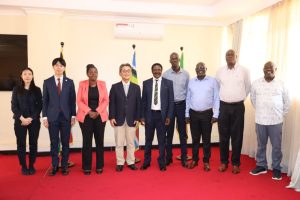
As counties increasingly seek impactful development partnerships, the Siaya–Japan collaboration stands out as a compelling example of how strategic international cooperation can deliver tangible, lasting change at the grassroots level.


