 ADVERT
 ADVERT
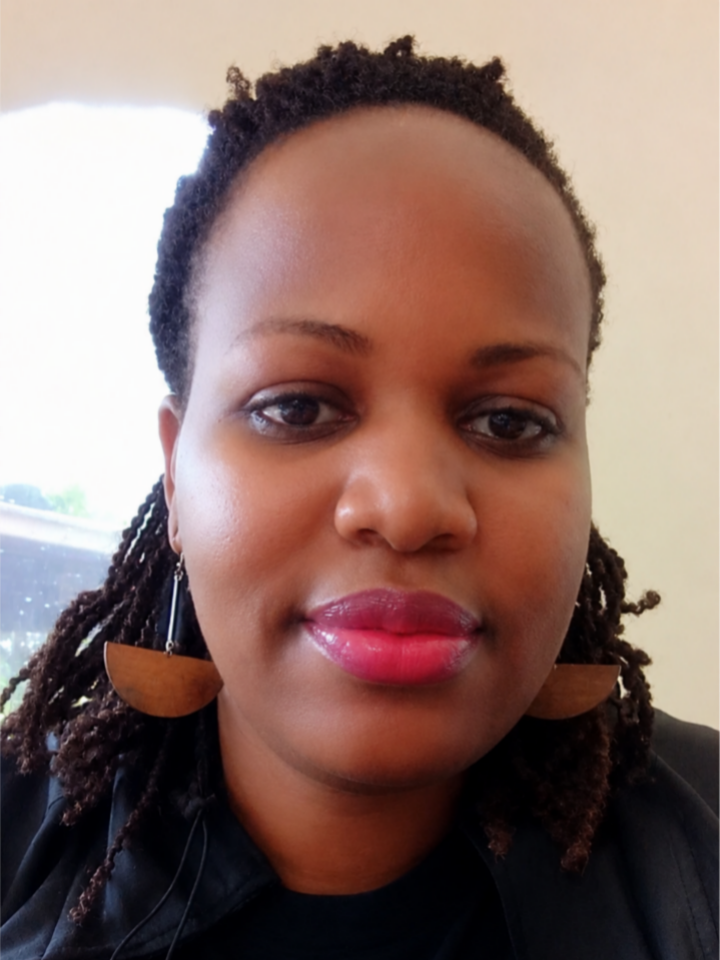
Siaya County Woman Representative aspirant Rose Achola Kisero, popularly known as Rozzy, has challenged the long-held belief that political power is the preserve of candidates with deep pockets, declaring that strategic planning, execution and a credible development agenda can triumph over money-driven politics.
Speaking on Siaya’s premier political talk show, HARD TALK, on Sunday night, Kisero—also known as Traore Madhako—presented herself as a candidate determined to redefine what the affirmative-action seat should mean for the people of Siaya.
With the confidence of a politician who believes her campaign should be judged by ideas rather than financial muscle, Rozzy said her candidacy was “edged with the sword of planning and execution,” taking a swipe at politicians she accused of spending years engaging in endless politicking without delivering tangible change.
“Politics must move from endless talk to planning and execution,” was the central message running through her HARD TALK appearance.
Kisero argued that the Woman Representative’s office must evolve beyond the traditional approach of distributing sanitary towels to schoolgirls.
 ADVERT
While acknowledging the importance of menstrual hygiene, she said the affirmative-action mandate should encompass the boy child, people living with disabilities, women, youth and economically marginalised communities.
Her argument was that the office should become a vehicle for economic empowerment and social transformation rather than being reduced to periodic handouts.
One of Rozzy’s most striking proposals was the creation and strengthening of Saccos designed to give women, men and young people access to affordable credit and grants to finance viable projects.
She said empowering residents to generate sustainable incomes would have a far greater long-term impact than relying on political donations and short-lived handouts.
Her vision is to create a constituency of economically empowered residents capable of building businesses, creating jobs and supporting their families without constantly looking to politicians for assistance.
In perhaps one of the most unconventional proposals of the evening, Kisero floated the possibility of establishing a tampons and sanitary pads manufacturing plant in Siaya, using sugarcane bagasse—the fibrous material left after sugarcane is processed—as locally available raw material.
The proposal, she suggested, could simultaneously address menstrual-health needs, create employment and introduce an industrial value-addition opportunity for the county.
If pursued successfully, such an initiative could position Siaya not merely as a consumer of manufactured sanitary products but as a potential producer.
Kisero also identified the protection of widows and women’s land inheritance rights as an immediate legislative priority should she win the seat.
She said her first task in Parliament would be to work on legislation aimed at protecting widows and women from what she described as inheritance-related obfuscation and injustices that often leave women vulnerable after the death of their spouses.
Her proposal places legal protection and economic security at the centre of her interpretation of the Woman Representative’s mandate.
“I don’t have flowery language. I have a work plan” — Rose Achola Kisero
Perhaps the defining moment of the evening came when audience member Michael Ochieng of Ugenya challenged Kisero to convince him why he should vote for her.
Rather than resorting to political rhetoric, the aspirant offered a remarkably direct response.
She told Ochieng that she did not possess “flowery language” with which to entice voters, but insisted she had something she considered more valuable: a concrete and executable work plan.
That response appeared to capture the essence of her campaign message—less rhetoric, more planning; less politicking, more execution.
Kisero’s appearance was particularly notable because two other Woman Representative aspirants were also present in the HARD TALK audience, turning the discussion into an informal showcase of competing political visions for the affirmative-action seat.
Rather than presenting herself as a candidate who intends to outspend her rivals, Rozzy sought to establish a different political proposition: that voters can be persuaded by a credible programme capable of producing measurable results.
Her confidence was unmistakable throughout the discussion, and she spoke with the conviction of a candidate who believes the ballot should ultimately become a referendum on ideas, competence and execution—not the depth of a candidate’s pockets.
As the 2027 political contest gradually takes shape, Kisero’s message could resonate with voters increasingly interested in what candidates intend to do with public office, rather than simply what they can distribute during campaigns.
For Rozzy, the Woman Representative’s seat is not merely an affirmative-action position.
It is, she insists, a potential launchpad for economic empowerment, legislative reform, industrialisation and inclusive development.
And she appears ready to make that argument all the way to the ballot box.



