 ADVERT
 ADVERT
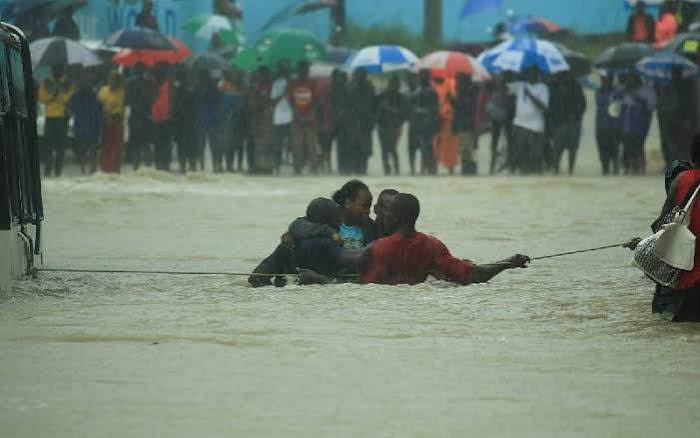
Nearly three decades after the devastating El Niño rains of the late 1990s turned roads into rivers, swept away bridges and disrupted livelihoods across Kenya, the country is once again being forced to confront an uncomfortable question: Are we genuinely prepared for another extreme rainfall season, or have we simply become better at responding after disaster strikes?
The question is particularly important as Kenya heads into another potentially wet October-December season, with climate experts warning of enhanced rainfall and the possibility of intense weather events in several parts of the country.
For a nation that still vividly remembers the destruction associated with the 1997-98 El Niño, the warning should not be dismissed as another routine weather bulletin. It should trigger urgent preparations at national, county and community levels.
El Niño is a natural climate phenomenon originating in the tropical Pacific Ocean, but its effects can be felt thousands of kilometres away. In East Africa, it can significantly influence rainfall patterns, particularly during the October-December short-rains season. Its interaction with other climate systems can sometimes produce exceptionally wet conditions, raising the risk of flooding, landslides, crop destruction and damage to infrastructure.
Kenya today is vastly different from the Kenya of nearly 30 years ago. The population has expanded, towns have grown into cities and construction has spread into areas that once provided natural drainage and floodwater retention. Yet much of the country’s drainage, road and flood-control infrastructure has struggled to keep pace with this rapid growth.
 ADVERT
That is where the greatest danger lies.
A heavy downpour does not necessarily have to become a disaster. Poor planning, blocked drainage, construction on waterways, weak enforcement of environmental regulations and inadequate emergency preparedness are what often transform extreme weather into tragedy.
Siaya County provides an important reminder of this vulnerability. Across the county, communities depend heavily on agriculture, with thousands of households relying on crops, livestock and small businesses for their livelihoods. Excessive rainfall can therefore have a complicated impact: while farmers desperately need reliable rains after periods of drought, too much water can destroy crops, wash away topsoil, damage roads and leave farmers counting losses.
The county’s rural road network is particularly important during the rainy season. When roads become impassable, farmers can struggle to move produce to markets, pupils may find it difficult to reach schools, patients can face challenges accessing health facilities and traders can lose valuable business days.
Low-lying and flood-prone areas around the shores of Lake Victoria and along rivers and wetlands also require special attention. Communities living near waterways should not have to wait until water levels rise before evacuation plans are activated.
Siaya, like many other counties, therefore needs to treat early-warning information as an operational tool rather than merely a public announcement. Once authorities know where heavy rains are likely to occur, the information should immediately translate into action: clearing drainage channels, inspecting bridges, identifying evacuation centres, checking emergency equipment and communicating directly with communities in languages they understand.
The same urgency is required in neighbouring counties across Nyanza, where weather conditions can quickly affect interconnected road networks, markets, farms and water systems.
Nairobi faces an even more complex challenge. Rapid urbanisation has placed enormous pressure on drainage infrastructure, while settlements and developments have expanded into environmentally sensitive areas. Every heavy rainfall episode has become a reminder that the city cannot continue treating drainage and flood management as issues to be addressed only when water starts entering homes and businesses.
But preparedness should not be reduced to government responsibility alone.
Farmers need timely and reliable weather information to make planting and harvesting decisions. Businesses need continuity plans. Schools need emergency procedures. Transport operators need to understand vulnerable routes, while households in flood-prone areas should know where to seek safety before conditions deteriorate.
County governments also have a crucial role to play because disasters are first experienced at the local level. A national warning issued from Nairobi means little to a family in Siaya if it does not translate into practical information about what is expected in their village and what they should do.
The 1997-98 El Niño experience should have taught Kenya that waiting for disaster before mobilising resources is an expensive strategy. Rescue operations, emergency food distribution, damaged infrastructure and reconstruction ultimately cost far more than preventive investment.
There is also a danger of confusing rainfall with disaster. El Niño does not automatically mean that every part of Kenya will experience catastrophic flooding. Weather outcomes vary according to the strength and timing of the climate event, local geography and the interaction of several atmospheric and oceanic systems.
The correct response, therefore, is neither panic nor complacency. It is preparedness.
Nearly three decades later, Kenya possesses something it did not have to the same extent in the 1990s: better weather forecasting technology, more sophisticated communication systems, stronger disaster-management institutions and greater public awareness of climate risks.
What remains to be tested is whether these advantages can be converted into timely action.
For Siaya, the coming rainy season should be an opportunity to demonstrate what effective county-level preparedness looks like. Bridges and roads in vulnerable areas should be assessed before the rains intensify. Drainage channels and waterways should be cleared. Farmers should receive actionable climate information, while emergency-response teams should be ready before they are needed.
Most importantly, communities must be placed at the centre of preparedness.
The real measure of Kenya’s readiness will not be the number of press conferences held or weather alerts issued. It will be whether those warnings reach the fisherman on the shores of Lake Victoria, the farmer in Ugenya, Ugunja, Gem or Bondo, the trader in Siaya town and the family living beside a flood-prone river — and whether they have the resources and information needed to act.
Kenya cannot control El Niño. It cannot stop the clouds from gathering or the rains from falling.
But it can decide whether heavy rains become a manageable weather event or another national disaster.
Nearly 30 years after El Niño exposed Kenya’s vulnerabilities, the country has no excuse for being caught off guard.
The rain may be inevitable. The disaster is not.



