 ADVERT
 ADVERT
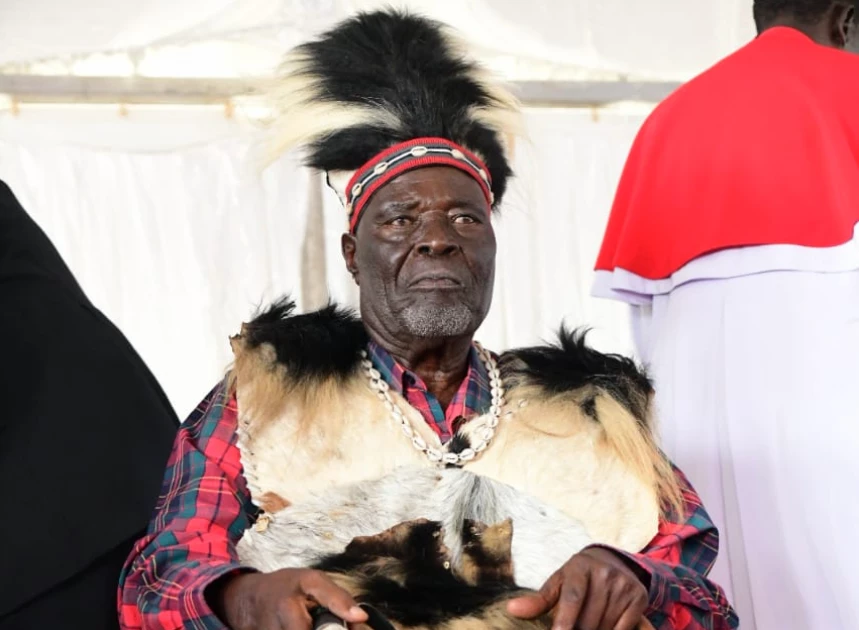
A fresh storm has engulfed Luo Council of Elders Chairman Odungi Randa after a section of senior Luo elders dismissed his warning that members of the community who reject calls to support President William Ruto’s 2027 re-election bid risk being cursed.
The elders have challenged Randa to either publicly withdraw and apologize for the remarks or step down from his leadership position, arguing that he has neither the cultural nor moral authority to invoke curses over political choices.
The controversy stems from remarks Randa made on Sunday during a prayer and thanksgiving ceremony hosted by Homa Bay Woman Representative Dr. Joyce Osogo, where he warned that Luos who defy the political direction championed by ODM leader Oburu Oginga and ODM National Chairperson Gladys Wanga would face traditional curses.
His comments have since sparked widespread criticism, with many accusing him of dragging cultural institutions into partisan politics.
Leading the backlash, Greater Rachuonyo Elders Forum Vice Chairman Moth Aroko condemned the statement as divisive and inconsistent with the responsibilities of a cultural leader.
 ADVERT
“Elders should remain neutral and unite the community regardless of political affiliation. What Ker Odungi Randa uttered was unfortunate. I respectfully ask him to apologize to Kenyans and the Luo community for threatening people with curses because they hold different political views,” Aroko said.
He emphasized that in Luo culture, invoking a curse is a serious matter that should never be used to intimidate citizens into adopting a particular political position.
“As an elder, and especially as the Ker of the Luo, such words should not be spoken recklessly. Leadership should inspire unity, not fear,” he added.
Similar sentiments were echoed by Alfred Ogao, Secretary of the Ndhiwa Elders Forum for Socio-economic Development, and elder Larence Airo, who accused Randa of abandoning his traditional role by openly taking political sides.
The two leaders urged members of the Luo community to ignore the threats, insisting that no cultural leader possesses the power to curse individuals for exercising their constitutional right to support political leaders of their choice.
“The Luo people should not be intimidated. Political decisions are personal and democratic. No one should fear imaginary curses because they disagree politically,” they said.
The latest dispute has reignited debate over the role of traditional leaders in Kenya’s increasingly polarized political landscape, with critics warning that cultural institutions risk losing public trust when they become active participants in partisan campaigns.
Observers say the controversy comes at a politically sensitive time as alliances begin taking shape ahead of the 2027 General Election, with growing scrutiny over attempts by influential community leaders to influence voting patterns through cultural authority rather than persuasion.



