 ADVERT
 ADVERT
Siaya County has recorded a significant rise in family planning uptake, climbing from about 42 per cent to 62 per cent, as health officials renewed calls for greater access to reproductive health information and services.
The milestone was highlighted as Siaya joined the rest of the world in marking World Contraception Day 2026, with health stakeholders urging residents to embrace informed and voluntary family planning choices.
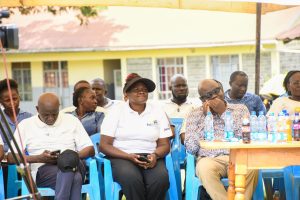
The commemoration was held at Nyadanda Polytechnic in Ugunja Sub-County under the theme, “My Contraception, My Choice, My Future.” It brought together members of the County and Sub-County Health Management Teams, healthcare workers, development partners, KMTC students, community leaders and residents.
The sharp increase in contraceptive uptake was attributed to sustained county health interventions, community engagement and collaboration between the county government and health partners.
However, health officials cautioned that the progress should not obscure the continuing unmet need for family planning services in parts of the county.
 ADVERT
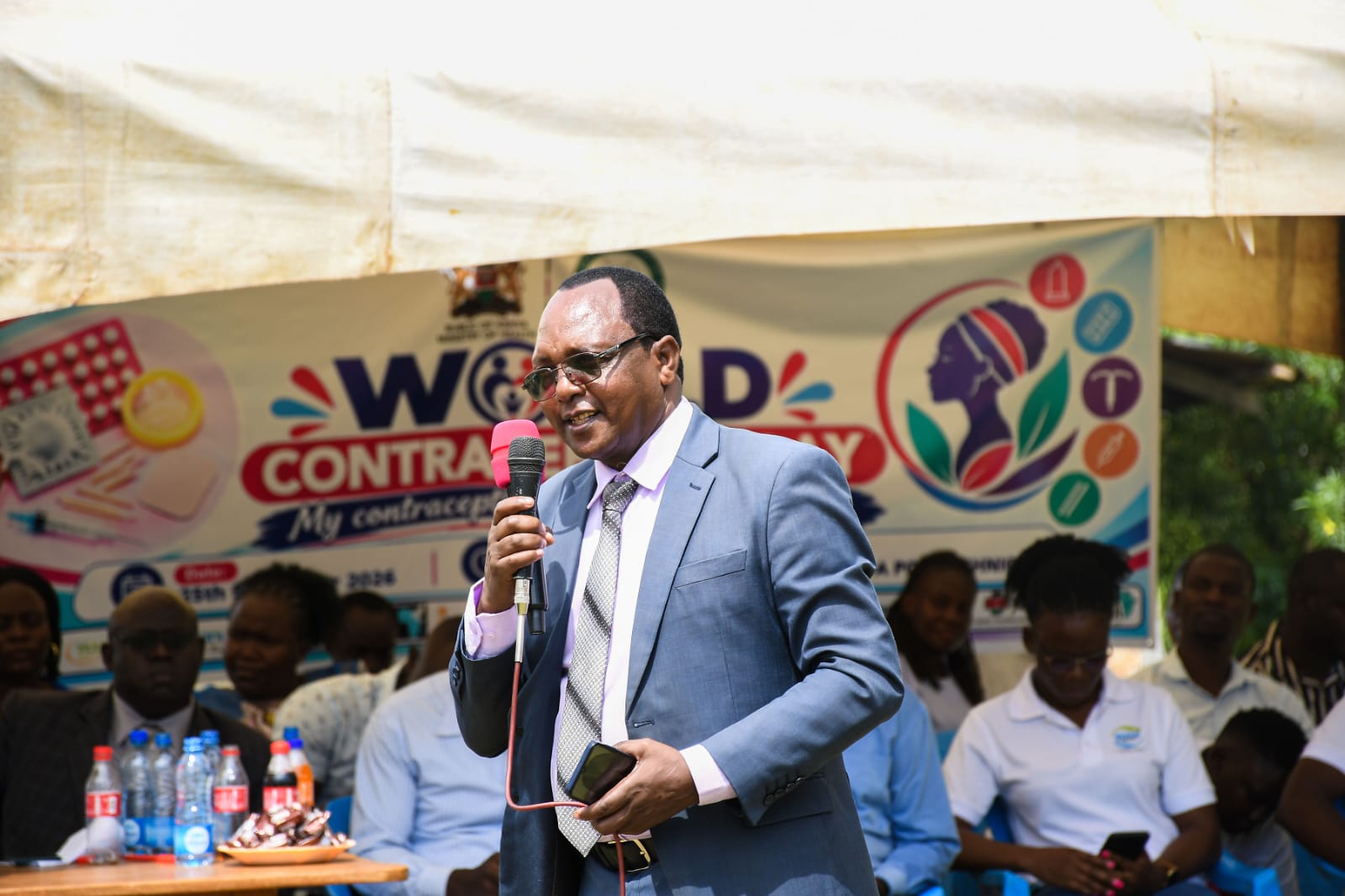
Speaking during the event, Dr Ken Oruenjo, Director of Public Health, who represented Acting County Executive Committee Member for Health Jacqueline Oduol, stressed the importance of ensuring residents have access to accurate information, quality services and a broad range of contraceptive options.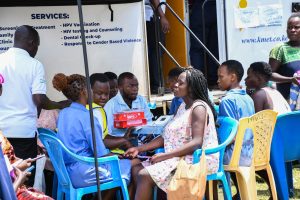
He said strengthening reproductive health services was essential in enabling individuals and couples to make informed decisions about whether and when to have children.
“Family planning is not simply about preventing unintended pregnancies. It is also about enabling families to plan the timing and spacing of pregnancies in ways that support the health and wellbeing of mothers, newborns and children,” health officials emphasized.
The World Contraception Day celebration also turned into a comprehensive community health outreach, allowing residents to access a range of services under one roof.
These included contraceptive services, antenatal care, cancer screening, immunisation, HIV testing and counselling, linkage to care, SHA registration and fistula screening.
Dr Oruenjo also called for greater involvement of men and partners in family planning conversations, saying reproductive health decisions should not be left exclusively to women.
Greater participation by men, he noted, can encourage shared responsibility, improve communication between couples and help families make decisions about pregnancy timing and spacing together.
Pamela Josephine, Health and Reproductive Health Coordinator and RAMCAH, called for continued collaboration between health authorities, communities and development partners to tackle barriers that still prevent some residents from accessing family planning services.
Despite the rise in uptake, stakeholders acknowledged that challenges remain, including gaps in information, access and the need to ensure that services are available in a respectful, confidential and non-judgmental environment.
The county’s growing contraceptive uptake therefore represents both progress and a challenge: maintaining the momentum while reaching residents who remain underserved.
For Siaya, family planning is increasingly being framed not merely as a reproductive health intervention but as part of a broader strategy for improving maternal and child health and enabling households to make informed social and economic choices.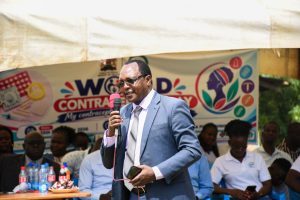
Health stakeholders said sustained investment in community education, reliable commodity supplies, quality counselling and accessible services would be critical if the county is to build on the gains already recorded.
As Siaya marked World Contraception Day, the central message remained that access to accurate reproductive health information and voluntary, quality family planning services can give individuals and couples greater control over their reproductive choices—and, ultimately, their futures.



