 ADVERT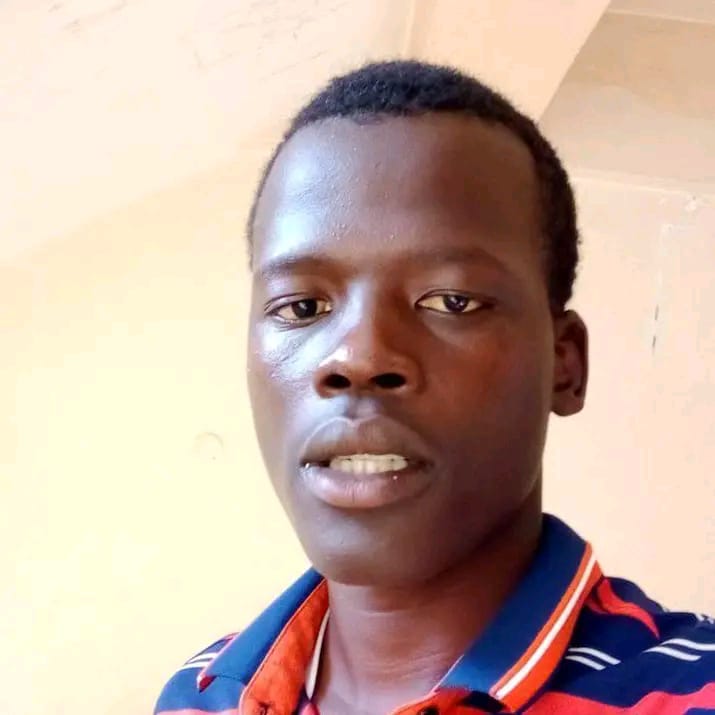

 ADVERT
Kenya’s political terrain is continuously shaped by the evolving aspirations of its people and the leaders who respond to them with vision and commitment. Cabinet Secretary Opiyo Wandayi, an influential ODM member and a respected figure in Ugunja constituency, has made a bold and thoughtful political decision to support President William Ruto for re-election in 2027. This choice exemplifies leadership that prioritizes performance, inclusivity, and grassroots-driven development over party loyalty. Wandayi’s endorsement reflects not only his personal conviction but also the voice of his constituency, which admires leadership that delivers tangible results and understands local realities deeply. The candidacy of Moses, recognized for his profound knowledge of Ugunja’s unique dynamics, adds credibility and strength to this alliance, marking a vital moment for democratic evolution in Kenya.
CS Wandayi’s alignment with President Ruto arises from clear evidence of transformative leadership that has redefined the socio-economic framework in Kenya. The President’s commitment to the bottom-up economic model has empowered thousands of grassroots entrepreneurs, smallholder farmers, and youth-led enterprises nationwide. This model dismantles historic barriers to economic participation and decentralizes opportunities, promoting equitable growth and sustainable livelihoods. Under this leadership, infrastructure development such as roads, water projects, and access to markets has accelerated, directly benefiting constituencies like Ugunja where socio-economic transformation is eagerly awaited. Wandayi’s decision to support this leadership is rooted in the desire to see these positive transformations continue without interruption.
The significance of Moses as the preferred local candidate must not be underestimated. Moses possesses an intimate grasp of the social fabric, cultural heritage, and economic realities of Ugunja. His leadership reflects a grounded approach to governance that emphasizes community engagement, inclusion, and responsiveness. In a context where many leaders distance themselves from their roots, Moses stands out as a champion for the people’s genuine concerns and aspirations. His knowledge of the constituencies’ “corners” reflects firsthand familiarity with grassroots clans, farming cooperatives, youth groups, and women’s self-help initiatives—key stakeholders in Ugunja’s developmental agenda. This ensures that policy interventions are relevant, equitable, and sustainable.
In the broader context, Wandayi’s endorsement challenges historic political affiliations in Western Kenya, traditionally aligned with opposition parties, demonstrating a shift toward merit-based leadership choices. This move opens opportunities for a more pluralistic and responsive political environment where electorates prioritize performance and integrity over ethnic or party loyalty. Such a trend is critical for Kenya’s democratic maturity, encouraging leaders to maintain accountability and continuously earn public trust.
Wandayi’s decision also sends a powerful message about the evolving nature of political leadership in Kenya. Effective representation now requires more than national prominence—it demands leaders grounded in local realities who can translate national policies into community-transforming projects. The collaboration between Wandayi, Moses, and President Ruto offers a blueprint for leadership synergy, binding national vision with local execution. This model enhances the delivery of public services, boosts grassroots empowerment, and fosters long-term inclusive development.
 ADVERT
Looking ahead to the 2027 elections, this alliance may inspire similar shifts among leaders and communities nationwide. It exemplifies political courage and vision, advocating for a Kenya where leadership success and electoral endorsement stem from proven development impact, responsiveness to constituents, and commitment to national unity. The partnership embodies the principle that leaders must be servants first—deeply connected, highly accountable, and relentlessly focused on improving the lives of every Kenyan citizen.
Kenya’s journey toward comprehensive development and political unity increasingly demands such transformative leadership models. Opiyo Wandayi’s endorsement of President Ruto and Moses encapsulates a progressive approach where political affiliations accommodate the people’s best interests. By placing local knowledge and leadership effectiveness at the center of political choices, Kenya moves closer to fulfilling its democratic ideals and achieving sustainable prosperity for all regions and communities.
James’ Kilonzo Bwire is a Media and Communication Practitioner.


